Endoscopic Sinus Surgery: When Is It Needed and What to Expect?
Blocked nose, facial pressure, recurring sinus infections, and difficulty breathing through the nose can significantly affect your daily life. While medicines often provide relief, some people continue to experience symptoms because of persistent sinus inflammation, nasal polyps, or structural blockage. In such cases, Endoscopic Sinus Surgery (ESS) may be recommended.
This minimally invasive procedure helps improve sinus drainage and restore normal airflow without requiring external incisions.
What Is Endoscopic Sinus Surgery?
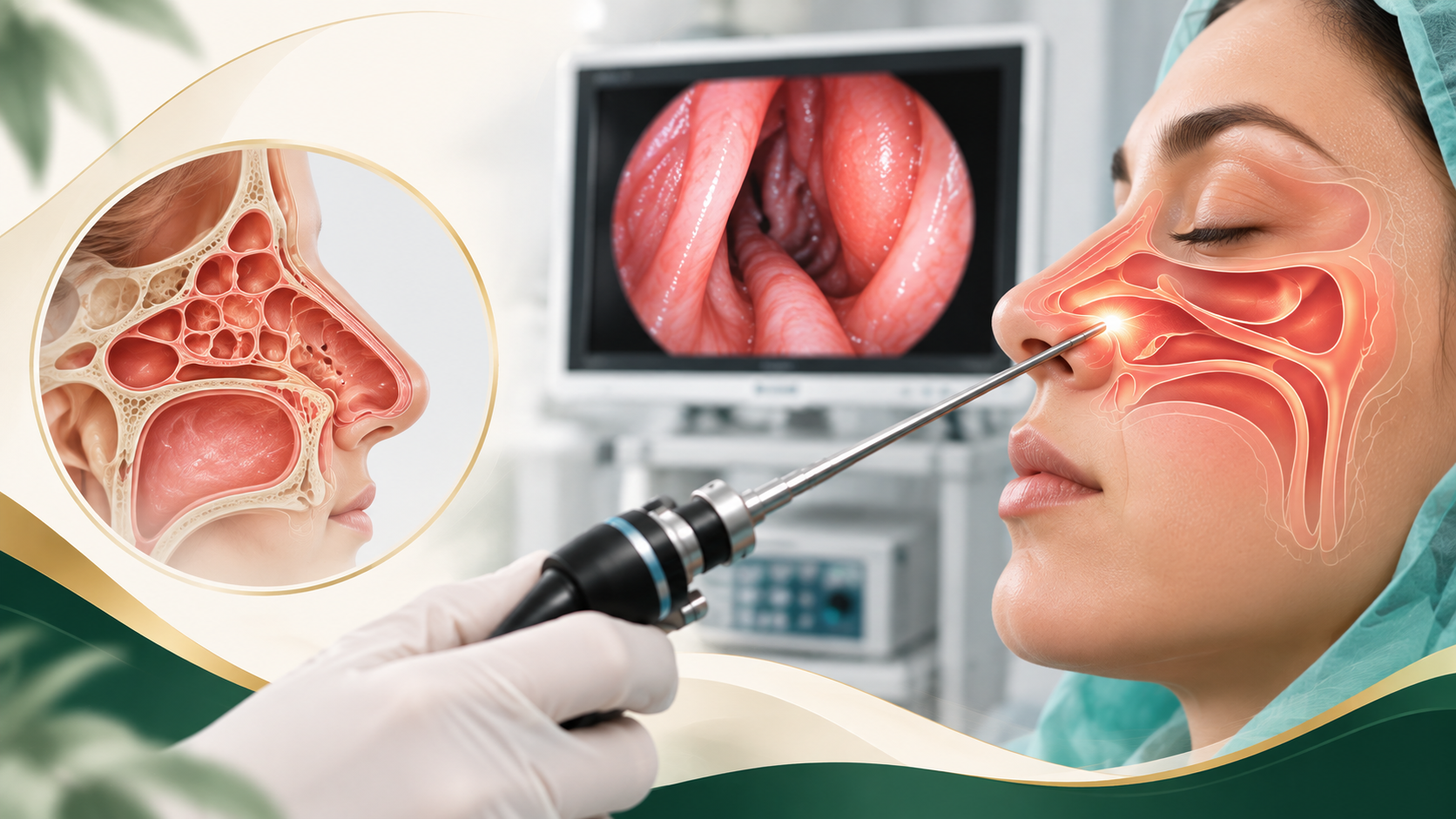
Endoscopic Sinus Surgery is a minimally invasive procedure used to treat chronic sinus and nasal conditions. An ENT specialist uses a small camera called an endoscope, inserted through the nostrils, to examine the nasal passages and sinuses.
Specialized instruments are then used to remove blockages, diseased tissue, nasal polyps, or other obstructions while preserving as much healthy tissue as possible. Because the surgery is performed through the nose, there are generally no visible external scars.
Endoscopic Visualization
A small camera inserted through the nostrils allows the ENT specialist to examine the nasal passages and sinuses in detail.
Minimally Invasive Treatment
Specialized instruments are used to treat blockages and diseased tissue while preserving as much healthy tissue as possible.
When Is Endoscopic Sinus Surgery Needed?
Surgery is not usually the first treatment for sinus problems. Your ENT specialist may consider ESS when symptoms persist despite appropriate medical treatment or when there is significant structural blockage.
Common situations where endoscopic sinus surgery may be recommended include:
A detailed evaluation, usually including nasal endoscopy and sometimes a CT scan of the sinuses, helps determine whether surgery is appropriate.
What Happens During the Procedure?
Endoscopic sinus surgery is generally performed under general anesthesia. The surgeon carefully guides an endoscope through the nostrils to identify blocked or diseased areas.
The procedure may involve:
The exact procedure depends on the individual's sinus condition and the findings on examination and imaging.
What to Expect After Surgery?
Some nasal congestion, mild discomfort, tiredness, or a small amount of nasal bleeding can occur during the early recovery period. Your ENT specialist may recommend saline nasal rinses, prescribed medicines, and follow-up visits.
Nasal endoscopy during follow-up appointments may be performed to monitor healing and remove crusting or debris if required.
Postoperative Nasal Care
Saline nasal rinses and prescribed medicines may be recommended to support healing and keep the nasal passages clean.
Follow-Up Examination
Nasal endoscopy during follow-up visits may be used to monitor healing and remove crusting or debris if required.
Recovery varies from person to person. Many patients gradually return to normal activities within a relatively short period, although complete healing of the nasal and sinus tissues can take longer.
Benefits of Endoscopic Sinus Surgery
When appropriately recommended, ESS can help:
The goal is not simply to remove tissue but to restore healthy sinus function while preserving normal anatomy.
Is Endoscopic Sinus Surgery Safe?
Endoscopic sinus surgery is widely performed by trained ENT surgeons and is generally considered safe. However, like any surgical procedure, it can have risks such as bleeding, infection, scarring, recurrence of nasal polyps, or the need for further treatment.
Your surgeon will discuss the potential benefits and risks based on your individual condition before surgery.
When Should You See an ENT Specialist?
If you have persistent nasal blockage, repeated sinus infections, facial pressure, reduced sense of smell, or symptoms that continue despite medical treatment, an ENT evaluation can help identify the underlying cause.
Endoscopic Sinus Surgery is not necessary for everyone with sinusitis. A proper diagnosis and assessment are essential before deciding on surgery.
Endoscopic Sinus Surgery
Endoscopic Sinus Surgery can be an effective treatment for carefully selected patients with chronic sinus disease, nasal polyps, and persistent sinus blockage. By using an endoscope through the natural nasal passages, ENT surgeons can address sinus problems with a minimally invasive approach.
If sinus symptoms are persistent or repeatedly returning despite appropriate treatment, consult an experienced ENT specialist to determine whether endoscopic sinus surgery could be suitable for you.